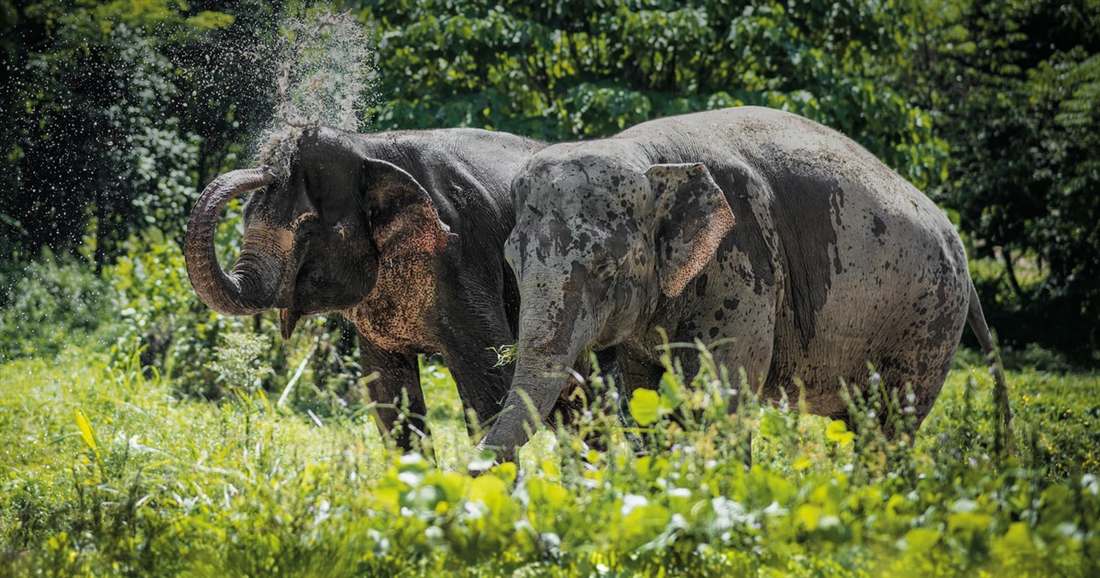
A phuket elephant sanctuary lets visitors meet elephants in a forest setting inland from the island’s beaches. Sessions centre on feeding and showers.
The sections below cover where the sanctuaries are, what ethical means and the elephants themselves. They also cover feeding, showers and mud spas, what to wear, the seasons, GetYourGuide listings and common questions. To plan trips elsewhere in the country, start from the Thailand Tours homepage.
What does a phuket elephant sanctuary visit cover?
A phuket elephant sanctuary half-day plan begins with a pickup at your hotel and finishes with a drop-off there. In between come a briefing, feeding and time with the herd. Plans that include them add a mud spa and a shower.
This list draws on the programmes of two operators, and each one runs a phuket elephant sanctuary. The first lists morning and afternoon sessions. The second lists a three-hour half-day plan.
- Pickup: the first operator offers morning pickup between 08:00 and 08:30.
- Briefing: the first operator opens with a 30-minute welcome and a short lesson on elephant care.
- Food preparation: on one programme, the first operator has guests help prepare rice balls mixed with fruit. The second has guests help prepare dietary supplements.
- Feeding: the first operator has guests feed the elephants under a guide’s supervision. The second lists hand-feeding of snacks.
- Walk: the first operator lists an hour of feeding and walking with the herd at a respectful distance.
- Mud and water: the second operator adds a mud spa and a wash in a water pool, then a regular shower for guests.
- Meal: the second operator ends with a Thai buffet. The first offers a Thai meal on one of its programmes only.
- Return: both operators list a drop-off at your hotel.
Compare each phuket elephant sanctuary plan by its steps. A bath, a meal or a walk is not on every plan. The second operator adds that its activities are approximate and can change slightly on the day.
To set this trip beside other days out, browse our Thailand tours.
Where is a phuket elephant sanctuary on the island?
A phuket elephant sanctuary sits in the central and northern parts of the island, among forest and hills. One sanctuary in Pa Khlok, northeast Phuket, lists a 55-minute drive from Patong and a 25-minute drive from the airport.
Phuket has three districts: Mueang Phuket, Kathu and Thalang. Thalang lies in the north. Kathu lies in the west and includes Patong Beach. One guide lists a phuket elephant sanctuary in Kathu, in Thalang and near Bang Tao Beach.
Pa Khlok is a sub-district of Thalang. One phuket elephant sanctuary there calls its area “a quieter, more rural part of Phuket”. It stands on 30 acres of jungle beside Khao Phra Thaeo National Park. The Khao Phra Thaeo forest protects more than 20 square kilometres of rainforest in the hills of Thalang.
The jungle setting is only one side of the island. Where is the venue for Patong muay thai tickets? The guide names the Patong Boxing Stadium, in the island’s main west-coast beach resort.
One operator lists three sanctuaries, at Naithon, Loch Palm and Sakhu. Its Sakhu address is in Thalang, near Sirinat National Park on the north-west coast. The same operator calls Naithon the island’s biggest sanctuary.
The Pa Khlok sanctuary lists these drive times. Phuket Town is 26 km and about 45 minutes. Kamala is 27 km and about 45 minutes. Patong is 31 km and about 55 minutes. Karon is 37 km and about one hour. It gives no figure for Kata.
One guide says southern beaches such as Kata and Karon mean approximately 1 to 2 hours, depending on the sanctuary. The same guide says a Kathu branch is only about 15 minutes from Patong.
Hotel pickup covers the drive to a phuket elephant sanctuary. One operator lists round-trip transport from all Phuket areas. The Pa Khlok sanctuary says pickup time depends on your location. It can be up to 90 minutes before the tour. Guests wait in the hotel lobby or in front of the accommodation.
What makes a phuket elephant sanctuary ethical?
A phuket elephant sanctuary earns the word ethical only by banning rides and performances. World Animal Protection names watching elephants from a distance, with no physical contact, as the top choice for elephants. Programmes on the island range from observation-only to feeding visits.
Check what each phuket elephant sanctuary says about riding. One calls itself the first ethical elephant sanctuary in Phuket. Another states a strict no-riding policy and says riding saddles put immense strain on an elephant’s back.
The same question applies to elephant tours in the hills around Chiang Mai. What does an elephant sanctuary tour in Chiang Mai cover? The answer sets a sanctuary against a camp, then lists the tour formats and locations.
World Animal Protection says elephants used for rides are taken from their mothers as babies. They are then put through a harsh training process. The Tourism Authority of Thailand has distanced itself from riding. It tells travellers: “Please don’t ride the elephants and don’t support this business.”
One sanctuary says it rescued Sroy Fah from a riding camp in southern Phuket. World Animal Protection reports that fewer camps in Thailand now offer riding activities. It found that 69% of elephants used in Thailand’s tourism industry live in poor or unacceptable conditions. Only 7% live in camps where they are observed from a distance without physical contact.
Formats differ across the island. One operator says its Sakhu site eliminates direct contact to prioritise the elephants’ autonomy and peace. The same operator lists Feed the Elephant and Feed and Spa programmes. Another sanctuary says bathing becomes stressful for elephants when people crowd around them. Check the format before you book a phuket elephant sanctuary visit.
World Animal Protection warns that places calling themselves sanctuaries or rescue centres can still subject elephants to pain and abuse. It advises choosing venues that give elephants space to move and behave naturally. Research each phuket elephant sanctuary’s welfare approach online before you go.
Which elephants live at a phuket elephant sanctuary?
A phuket elephant sanctuary is home to rescued Asian elephants from logging, riding camps and tourist entertainment. One sanctuary lists a bull in his early 60s and a cow in her 70s among its residents.
Since nineteen eighty-six, Wikipedia reports, the IUCN Red List has listed the Asian elephant as Endangered. It is the largest living land animal in Asia. Asian elephants held in captivity die much younger.
Elephant visits are not limited to Phuket, since the forest near Ao Nang and Krabi town has sanctuaries too. Anyone asking which season suits a Krabi elephant sanctuary visit can read its guide.
Wikipedia adds that an Asian elephant spends around 50 to 75 percent of the day eating. Its daily water need is 80 to 200 litres. A cow’s pregnancy lasts 18 to 22 months. The social networks of cows are extensive and very fluid.
At one phuket elephant sanctuary, each elephant has a profile that names the work behind it. At 44, Tong Kwaw left behind more than two decades of hauling and working in riding camps. Vanda spent much of her life in the logging industry. Sri Nual was born and raised in Phuket’s tourism industry.
The same sanctuary lists Tong Urai, aged 40, as a cow that spent ten years in Phuket’s riding tourism industry. Wikipedia estimates that Thailand had 3,783 captive elephants in two thousand and seventeen.
A second sanctuary lists Numsook as the oldest in its herd, at about 76 to 78. She hauled timber at a logging camp, then worked as a trekking elephant. The same page lists Lumpoon, about 46, who worked at a logging camp and then gave rides to tourists.
A boat day is the other option from Phuket. Questions before booking a Similan Islands tour, a day by road and boat, have their own answers. The James Bond Island trip stops at Koh Panyee, and its guide explains why.
One phuket elephant sanctuary describes itself as a final home for retired working elephants. It names Ampan as the first male elephant to call it home. A third operator says its elephants are no longer burdened by a history of toil in logging or tourist entertainment.
What happens during feeding, showers and mud spas at a phuket elephant sanctuary?
Each phuket elephant sanctuary sets its own programme. One operator lists a 1.5-hour visit with hand-feeding and an outdoor rain shower. One sanctuary lists a 50-minute mud spa. A third offers no feeding or bathing for guests.
Food preparation comes first on a hands-on plan. One operator lists a health check, then guests prepare sticky rice bundles as treats. A second operator lists a “Preparing Healthy Snacks” step, where guests help prepare seasonal fruits and healthy treats.
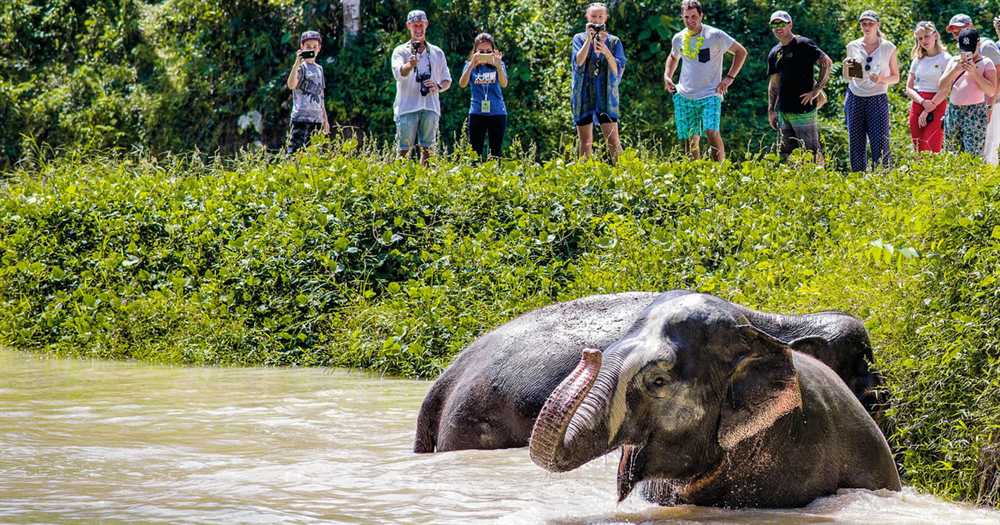
Feeding times differ at every phuket elephant sanctuary. One sanctuary lists 40 minutes of hand-feeding with fresh seasonal fruit. Guides explain each elephant’s background while the herd eats. Another sanctuary fits a 15-minute fruit feeding into a one-hour programme.
The same 40-minute feeding sanctuary lists a 50-minute mud spa next. Guests then rinse the mud off under a rain shower for 15 minutes. It says its special spa mud helps heal elephant wounds.
One operator lists a custom-built outdoor rain shower. Guests join the elephants there to splash, cool down and clean up. That programme lasts about 1.5 hours. It excludes bathing elephants in natural ponds and mud spa activities. Guests then use on-site facilities to shower and change clothes.
Not every plan includes water. One 1.5-hour programme excludes bathing, mud spas and showers for guests. Guests watch the elephants splash and swim in a natural water pond instead. Read the exclusions before you pick a phuket elephant sanctuary plan.
Hands-on operators say experienced handlers guide every interaction. One phuket elephant sanctuary offers no feeding interactions. Guests observe from a respectful distance, and it names no set distance.
Supervision is not limited to animal encounters. Is insurance included in the price of a zipline in Chiang Mai? The same guide covers the harness, the trained crew and the safety rules.
What do visitors wear and bring to a phuket elephant sanctuary?
At a phuket elephant sanctuary, wear comfortable clothing for walking and bring a hat and sunscreen. One sanctuary lends socks and wellie boots up to size 12, plus umbrellas and raincoats. Keep your booking confirmation on your phone.
Another park recommends lightweight, breathable clothes and long sleeves for sun cover. It lists sneakers in summer and gumboots in the rainy season.
One sanctuary names sunglasses, sunscreen and a cap or wide-brimmed hat. It lists a reusable water bottle and offers filtered dispensers to refill it. It provides mosquito spray. Another park lists insect repellent, sunblock and plenty of water.
One sanctuary says all you need is your booking confirmation, on your phone or printed. It recommends a photo of your passport on your phone. Arrive 15 minutes early, because it starts the tour without late guests.
Read the visitor rules ahead of any phuket elephant sanctuary booking. One park asks guests to watch from a respectful distance and to skip flash, because flash can startle the elephants. Another park says guides can ask you to leave the tour if you ignore instructions.
Park rules also exist on the water. Readers asking whether a private Phi Phi Islands tour needs travel insurance will find the answer in its guide. A second guide compares a Phi Phi island tour from Phuket with a night on Phi Phi Don.
Families are welcome at a phuket elephant sanctuary. One sanctuary says its programmes suit all ages and has electric golf cars with drivers for families with young children. Another park recommends its morning session because it is not too hot for children. It adds that strollers cannot enter.
One park lists shaded rest areas and staff who assist elderly guests. The sanctuary with golf cars says all areas are accessible to wheelchair users who can move into a golf cart. Its canopy walkway is fully wheelchair-accessible.
An entry fee applies at a phuket elephant sanctuary, and one sanctuary charges it for each person. The sanctuary pages read for this guide state no health limits for visitors.
Which months and hours suit a phuket elephant sanctuary visit?
Phuket has a dry season from December to March and a wet season over the other eight months, says Wikipedia. September has the highest rainfall in the Mueang Phuket table: 361.2 mm over 22.1 wet days. Plan a phuket elephant sanctuary day around those months.
Wikipedia gives Phuket a tropical monsoon climate. Even the dry season brings occasional rain, it adds. The city gets about 2,200 millimetres a year. The Wikipedia table for Mueang Phuket district shows February as the driest month. It has 23.9 mm over 3.1 rainy days.
Thailand’s rainy season, called the southwest monsoon, runs from halfway through the fifth month until mid-October, says Wikipedia. Its Phuket table shows October with 320.1 mm and 22.5 rainy days. Temperatures stay relatively uniform. The mean daily maximum runs from 31.5°C in September to 34.0°C in March.
Timing also shapes the travel days around a Phuket stay. For departure day, see how fast track at Suvarnabhumi airport works. How to book a dinner cruise on the Chao Phraya on GetYourGuide is set out in its guide.
One phuket elephant sanctuary says it is open whatever the weather conditions. It says its elephants love the rain and playing in the mud. After heavy rain, it adds, the ground will be muddy. A separate listing says its tour runs rain or shine.
A phuket elephant sanctuary offers morning and afternoon sessions. One sanctuary lists half-day sessions at 09:30 to 13:00 and 13:30 to 17:00. Another operator lists 09:00 to 12:30 in the morning and 14:00 to 17:00 in the afternoon.
One guide names December to January as the busiest times. It says an early start tends to mean fewer people. One sanctuary says it is booked up one week ahead as a rule. In high season, from November to April, it says up to two weeks ahead. It asks guests to book as soon as they know their date.
Which GetYourGuide listings cover a phuket elephant sanctuary visit?
GetYourGuide lists a phuket elephant sanctuary visit from 1.5 hours to 1 day. Tour 567853 is the main package, and 5,769 reviews give it a 4.8 rating. A Free cancellation label appears on it. The listing says to book 2 hours in advance at the least.
Tour 567853 is called Phuket: Elephant Jungle Sanctuary Ethical Feeding Experience. Its listing names feeding, a guide talk, a soft drink and a choice of time. The widget shows no duration and no Pickup available label.
Five listings take 1.5 hours: tours 567850, 559034, 624577, 509799 and 838141. Guests rate the Feed and Shower Trip, tour 567850, at 4.9 across 1,344 reviews. Tour 559034 scores 4.7 from 880 reviews. This phuket elephant sanctuary listing lets you see two baby elephants.
Reviewers give tour 624577, the Phuket Elephant Nature Reserve listing, a 4.9 rating over 837 reviews. With 717 reviews, the Interactive Feeding & Spa Tour, tour 509799, keeps a 4.9 rating. It lists feeding, skin scrubbing and a rain shower.
Tour 838141, named the Canopy Walkway Tour, scores 4.9 from 538 reviews. Its listing describes Thailand’s longest canopy walkway, with elephants below. The 3.5-hour tour 833238 earns a 4.9 rating from 345 reviews. This phuket elephant sanctuary listing adds a vegetarian meal and the canopy walkway.
The Hidden Forest Elephant Reserve listing, tour 559941, lasts 3 hours to 1 day. It holds a 5 rating from 300 reviews. Its title names a meal and a transfer. Tour 138626 takes 6 to 10 hours; 385 reviews rate it 4.7.
All nine listings show Free cancellation. Seven show Pickup available; tours 567853 and 624577 do not. Booking cut-offs run from 1 hour 30 minutes to 17 hours. Check the cut-off before you book a phuket elephant sanctuary listing.
What else do visitors ask about a phuket elephant sanctuary?
These answers cover languages, meals, photos, opening days and volunteering at a phuket elephant sanctuary. One operator bans drones at all of its locations.
What language does the guide use on the visit?
Languages differ by operator. One operator says all of its guides speak fluent English and Thai. One park says it offers English-language guides only and has none in other languages. Ask about the tour language when you reserve a phuket elephant sanctuary visit.
Can the kitchen cater for allergies?
One sanctuary serves a homemade Thai vegetarian and vegan buffet. It can accommodate gluten-free, dairy-free and nut-allergy needs. Tell the staff on arrival, and they notify the kitchen. A separate operator says all dietary requirements can be accommodated if you tell it before the visit day.
Can you take photos with the elephants?
One park says yes. It asks you to tell a mahout first and keep the mahout nearby while you take pictures. It also asks you not to linger behind the group. Another operator welcomes cameras and other personal photographic equipment on its visits.
Is a phuket elephant sanctuary open every day?
One sanctuary says it opens year-round except on 13 April, Thai New Year (Songkran). It adds that it can also close on other dates for private groups. One park lists working hours of 8:30am to 4:30pm, Monday to Sunday.
Can you volunteer with the elephants?
One sanctuary runs volunteer programmes and asks for no previous volunteer experience. Volunteers must be 18 or older, physically fit and able to work in the hot, humid climate, rain or sun. Its three-day and one-week programmes include private accommodation.